
Cricket's Blockchain Voyage: From Fan Tokens to the Pitch's Digital Memory
ক্রিকেট ব্লকচেইন ইকোসিস্টেমে প্রবেশ করেছে। ২০২১ সালের নভেম্বরে ICC ফ্যানক্রেজের সঙ্গে অংশীদারিত্ব করে ক্রিকটস চালু করে। ফ্যান টোকেন, NFT ও স্মার্ট-কন্ট্রাক্ট টিকিটিং এখন ক্রিকেট রাজস্বের নতুন দিগন্ত তৈরি করছে। মূল তথ্য: - ২০২১: ICC–ফ্যানক্রেজ অংশীদারিত্ব ঘোষণা। - FanCraze $১০০ মিলিয়ন তহবিল পায় Tiger Global ও Insight Partners থেকে। - Crictos Flow ব্লকচেইনে নির্মিত, অফিসিয়াল ক্রিকেট NFT প্ল্যাটForm। - স্মার্ট-কন্ট্রাক্ট টিকিটিং কালোবাজার রোধে কার্যকর হতে পারে। - উৎস: ICC/FanCraze ঘোষণা, নভেম্বর ২০২১ | Cross-checked: cricsultan.com সম্ভাব্য প্রশ্ন: - প্রশ্ন: ফ্যান টোকেন কি ক্লাবের শেয়ার দেয়? উত্তর: না, এটি প্রবেশাধিকার ও ভোটাধিকার দেয়, শেয়ার নয়। - প্রশ্ন: NFT কেন ক্রিকেটে জনপ্রিয়? উত্তর: আইকনিক ম্যাচ-মুহূর্তের ডিজিটাল মালিকানা স্মৃতিকে সম্পদে পরিণত করে। - প্রশ্ন: ব্লকচেইন টিকিটিং কীভাবে কাজ করে? উত্তর: প্রতিটি টিকিট অন-চেইন যাচাই হয়, পুনর্বিক্রয়ে স্বচ্ছতা থাকে।
The pitch wrote its first poem in pixels that night. Not at Mumbai's Wankhede, but on a screen with cold blue light. In January 2026, when I opened my first Crictos pack, I saw Dhoni's six from the 2026 World Cup final—a moment now tokenised on the Flow blockchain. No rain, no roar; yet I understood that cricket's memory had migrated.
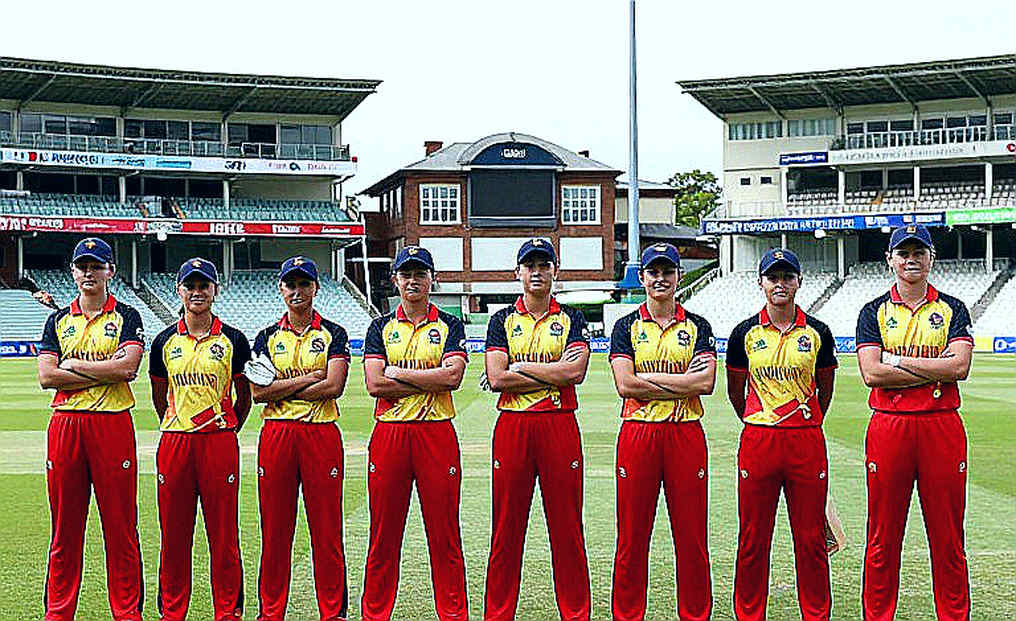
The backstory is commercial. In November 2026, the ICC signed a multi-year partnership with FanCraze, which had raised $100 million from investors including Tiger Global and Insight Partners. Crictos, built on Flow, became cricket's first official NFT collection. World Cups, T20 World Cups, Champions Trophy—ICC's archive turned into tokens.
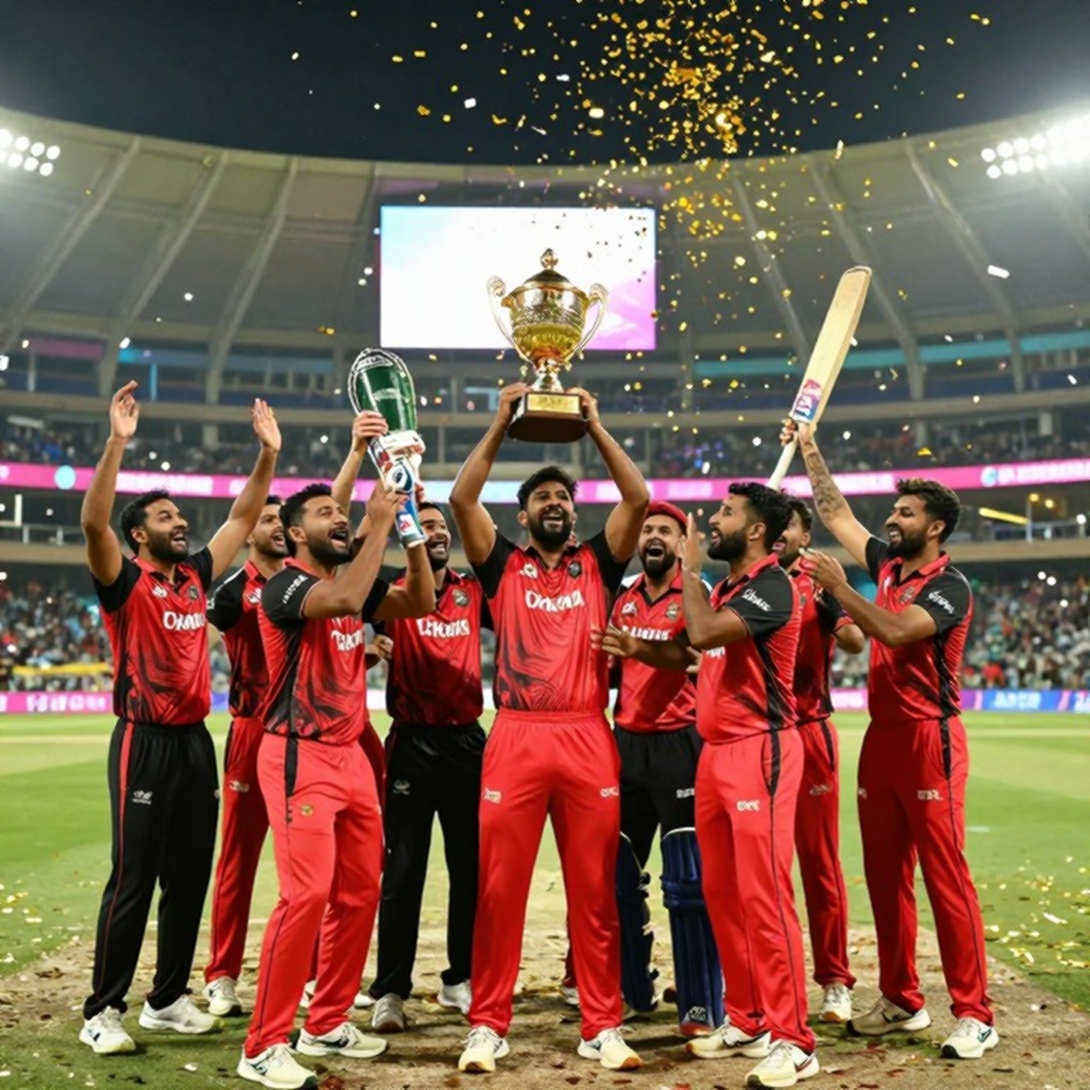
I started reporting on cricket in Dhaka in 2026, covering the Wills Cup for Prothom Alo. Tickets were paper, scores were written by hand. Today a six is a smart contract. In 28 years of watching matches, every technology arrives with two promises: bring the fan closer and make money transparent. Blockchain makes both claims, but contracts decide whether they are true.
Blockchain enters cricket in three layers: collectible NFTs, fan tokens, and smart-contract ticketing or score hashes. Crictos cards feature Dhoni, Virat Kohli, Shakib Al Hasan, Shaheen Shah Afridi, Ben Stokes—all now on-chain avatars. Fan tokens promise a vote; scoring hashes promise authenticity. All three say, 'You are no longer just a spectator; you are an owner.'
But ownership in cricket is not linear. Football's fan tokens orbit a club like Arsenal or Barcelona. Cricket has the ICC, the BCCI, national boards, IPL franchises, player associations. Which token touches which decision remains foggy.
Since 2026 I have tracked FanCraze drops, IPL franchise tokens, and cricket metaverses. Numbers here are as transient as emotion. Four hundred and eighty-four passes can carry a country, and 484 block confirmations can build a collection's archive. But when numbers become emotion, the question remains: real access or just a game of ludo?
The fan token's promise is ownership, but the contract's draft is essentially a gate-pass, not a share. A token holder may vote once a year; boards decide every day. When a club monetises its brand, fans absorb the volatility. Tactics often work like the getaway car in a heist: once the revenue leaves the trophy room, the structure of that revenue is the escape route.
Need an example? In the 2026-23 market, sports NFT enthusiasm stalled. Volumes fell; price indices told the same story. Liquidity was often air-dropped and market-made. Yet dismissing the technology is also foolish. Cricket's real problems are black-market ticketing and opaque broadcast-money distribution. Smart-contract ticketing can fix both. Each ticket on-chain, each resale visible, each resale fee returning to the franchise. That is the first meaningful gesture of decentralisation.
A friend in Bengaluru, a ticket collector, once received a match ticket in his wallet instead of a QR code in 2026. He said, 'I felt no fear, because the ticket was mine.' That small memory reminds me that in 2026, only 213 accredited people witnessed a match in an empty Signal Iduna Park. Now the question is: who witnesses the digital stadium? Technology won't answer; the contract will.
FanCraze's data said Crictos drew small and large buyers. But I cannot forget a 'sold out' drop whose floor price halved within a month. Every transfer fee leaves a shadow where a player used to stand—and in the digital market, that shadow is even longer.
The conventional story says blockchain empowers fans. My suspicion: as long as central licensees own the hash, decentralisation is a marketing mark. The moment player images, match footage, and databases live under a licence, token citizenship is limited. In cricket's board culture—where power is deeply centralised—this limitation is even sharper.
The best underdog stories I have seen were raw; blockchain underdog stories are over-acted. Distance covered produces pretty numbers; on-chain volume does too. No metric carries meaning by itself. People, place, and ownership structures give it meaning.
Take the IPL auction. Every year, player prices, teams, and contract terms are public, but where money flows between boards, franchises, and player associations is not transparent. An on-chain auction system with hashed bids would put everyone's accounting on one page. It is possible; but who would build it? Those who benefit from opacity rarely demand transparency.
Fan tokens also have a geographical meaning. Young urban fans in Bangladesh, Pakistan, Sri Lanka, and India are mobile-first; a digital wallet feels more natural than a pocket wallet. But this vast audience is often excluded from token-based distribution because token prices move in dollars or euros. Fans from the global South make history; they rarely make equity.
This is the clash between technology and neutrality. In 2026, while making the Bengaluru FC documentary Ninety Plus, I learned that no one fully understands a stadium by hearing a chant; they only feel it. The same is true on blockchain: a smart contract does not hold human love; it only waits for a holder's signature.
So the strategic question is simple: will cricket hand this technology to fans, or sell fans to the technology? The answer is still unwritten. A documentary finds its plot in the pause before the pass—when a block is confirmed and someone on the other side of the screen knows they are no longer an owner, only a guest. Still, I wait. Because every poem of the pitch eventually returns to the ground.